
12 Exhibition Stand Examples That Work
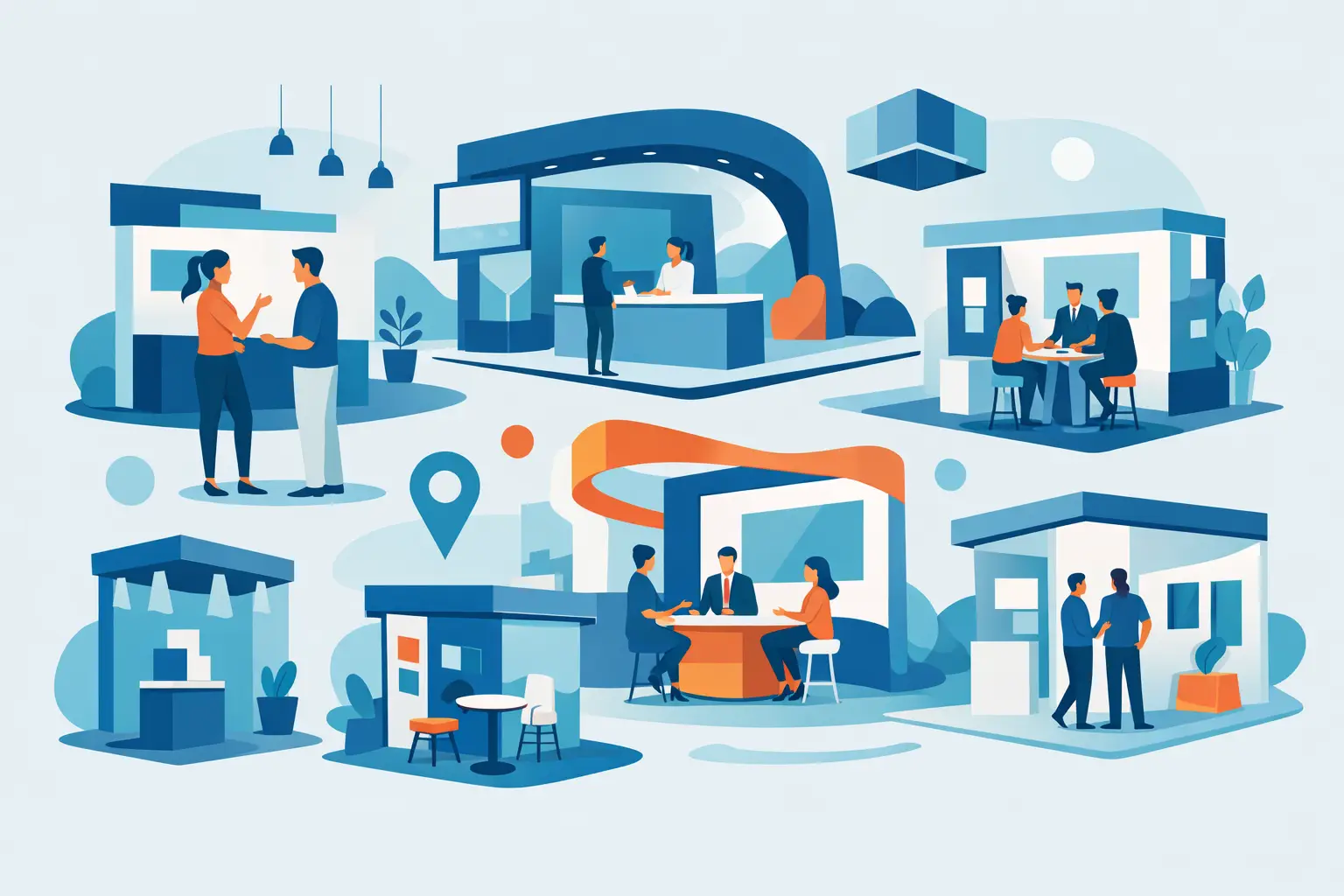
A crowded exhibition hall tells the truth fast. Some booths pull people in within seconds, while others disappear into the background no matter how much budget went into them. The difference usually comes down to strategy, not just square footage. Strong exhibition stand examples show how layout, messaging, lighting, and engagement work together to make a brand easier to notice and easier to remember.
For marketing leaders and event teams, that matters because a stand is not only a display. It is a live brand environment with a job to do. It may need to generate leads, support meetings, launch a product, build trust with distributors, or reinforce market presence. The best results come from choosing a concept that fits that job instead of chasing a trend that looks impressive for five minutes.
What strong exhibition stand examples have in common
The most effective stands are built around one clear objective. That sounds simple, but it is where many projects lose direction. A booth designed for product trials should not be planned the same way as one built for executive hospitality. A stand meant to drive walk-up traffic needs more openness and faster messaging than one designed for pre-booked meetings.
Good exhibition stand examples also respect flow. Visitors should understand where to look, where to walk, and what to do next without being told. When movement feels natural, teams spend less time directing traffic and more time having meaningful conversations.
Brand consistency is another non-negotiable. The stand should feel connected to the company’s broader identity across print, signage, digital screens, brochures, uniforms, and presentation materials. If the design looks polished but disconnected from the rest of the brand, the impression weakens quickly.
12 exhibition stand examples worth studying
1. The open-corner product showcase
This format works well for brands that need visibility from multiple aisles. Two open sides increase access and reduce hesitation, which is useful in busy trade shows where visitors make split-second choices. A hero product wall, overhead branding, and concise benefit-led messaging usually carry the concept.
Its strength is reach. Its trade-off is privacy. If your team needs deeper technical conversations, you may need a small meeting zone behind the product display.
2. The live demo stand
When a product needs explanation, demonstration beats static graphics. This stand places the product experience at the center, often with a raised platform, a timed presentation area, or a guided interaction point. It is especially effective for technology, machinery, medical products, and service platforms with visible features.
The key is crowd control. A live demo can create energy, but it can also create blockage if the footprint is too tight. Clear viewing angles and a transition path to sales conversations are essential.
3. The meeting-first stand
Some exhibitors are not trying to attract everyone. They want the right people. In that case, a meeting-led stand with reception, semi-private seating, and enclosed discussion space can outperform a highly theatrical concept. This approach is common in B2B sectors with long sales cycles and high-value deals.
It can look less dramatic from a distance, so the frontage still needs confident branding. A quiet booth is not a weak booth if it supports serious business outcomes.
4. The immersive brand environment
This is one of the most memorable exhibition stand examples because it turns the booth into a controlled brand experience. Materials, lighting, audio, screens, scent, and storytelling all work together to create atmosphere. Luxury, tourism, automotive, and premium consumer brands often benefit from this direction.
The advantage is emotional impact. The risk is overdesign. If the visitor remembers the atmosphere but cannot explain what the company actually offers, the concept needs more discipline.
5. The modular stand system
For brands exhibiting multiple times a year, modularity is a smart commercial decision. A well-designed modular system can be resized, reconfigured, and refreshed across different venues without losing visual quality. It supports consistency while controlling long-term production costs.
This approach works best when the design is planned from the start for flexibility. A cheap-looking modular build can undermine the brand, but a premium modular system can look every bit as refined as a custom stand.
6. The digital-first interactive stand
Touchscreens, LED walls, motion graphics, and interactive content can turn a compact footprint into a richer experience. This type of stand is valuable when a company has multiple services, complex case studies, or product ranges that are difficult to display physically.
Technology should reduce friction, not create it. If users need too much guidance, the interaction becomes a burden on the booth team. The best digital-first stands are intuitive and supported by concise human conversation.
7. The hospitality-led stand
In some sectors, the stand functions as a relationship space as much as a marketing tool. Coffee bars, lounge seating, premium finishes, and comfortable meeting areas can help create the right environment for longer conversations. This is often effective in regional business settings where trust and face-to-face time matter.
Hospitality should support the brand, not replace it. A beautiful lounge with weak messaging may attract visitors who have no relevance to your objectives.
8. The bold minimal stand
Minimalism can work extremely well in exhibition design when the brand has strong visual confidence. Clean architecture, restrained color use, focused messaging, and selective product placement create a premium effect. This format often stands out precisely because it avoids visual clutter.
The challenge is precision. Minimal stands leave no room to hide weak detailing. Finishing quality, lighting balance, and typography must be exact.
9. The retail-style display stand
For product-led brands, especially in cosmetics, electronics, packaged goods, or lifestyle categories, a retail-inspired stand can help visitors browse naturally. Product grouping, illuminated shelving, tester zones, and point-of-sale style graphics make the space familiar and commercially focused.
This concept works well when the goal is product discovery. It is less effective if your offer is primarily service-based and depends on consultation rather than browsing.
10. The launch-focused stand
A product launch stand is designed around reveal and momentum. It may include a countdown screen, stage lighting, media wall, presentation schedule, and content capture points for press and social use. This type of concept is useful when the exhibition is part of a larger campaign rather than a standalone appearance.
Timing matters here. If the reveal moment is strong but the rest of the day feels flat, the impact fades. The stand still needs an all-day engagement plan.
11. The sustainability-led stand
More brands are asking for lower-waste builds, reusable structures, energy-efficient lighting, and responsibly selected materials. Sustainability-led stands can communicate credibility when the environmental approach is genuine and aligned with the company’s values.
This needs honest execution. Visitors can spot vague green claims quickly. If sustainability is central to the message, the materials and production choices should be visible and defensible.
12. The hybrid content stand
Some booths are built not only for live visitors but also for cameras. Branded interview corners, content backdrops, streaming positions, and controlled lighting allow teams to capture video, host media conversations, and extend event visibility beyond the exhibition floor. This is especially valuable for brands that want stronger post-event content value.
The benefit is reach beyond the venue. The trade-off is space planning. Filming zones need to be integrated carefully so they do not interfere with visitor flow.
How to choose the right example for your goals
The strongest concept is the one that supports the outcome you care about most. If lead volume matters, open access and quick engagement should shape the design. If your priority is distributor meetings or executive conversations, private hospitality may deliver a better return. If you are launching a product, the stand needs a moment, not just a backdrop.
Budget should influence design decisions, but not in a purely cosmetic way. A smaller stand with sharp messaging, disciplined branding, and strong staff flow can outperform a larger stand with too many ideas competing for attention. Scale helps, but clarity usually helps more.
Venue context also matters. What works in a major international exhibition may not suit a local industry event or a government-facing business forum. Ceiling heights, organizer regulations, visitor behavior, and neighboring stands all affect what is practical.
Why execution matters as much as design
A strong concept can still fail in production. Misaligned graphics, poor lighting, weak cable management, cheap material finishes, and delayed setup all erode confidence before a single conversation begins. Decision-makers notice these details because they reflect how a company operates.
That is why exhibition delivery should never be treated as design alone. It requires project management, fabrication control, branding accuracy, print quality, signage coordination, technical installation, and on-site problem solving. The more integrated the delivery model, the fewer gaps appear between the approved concept and the built reality.
For companies managing exhibitions in competitive markets, this is where a full-service partner adds real value. T2 Arabia approaches exhibition execution as a complete brand environment, aligning creative direction, production, signage, print assets, and on-site delivery so the final stand performs the way it was intended to.
What decision-makers should review before approval
Before signing off on any stand concept, ask a simple set of practical questions. Does the design make the brand recognizable from a distance? Does it create a clear reason to stop? Is there enough room for the conversations that matter most? Can the team operate comfortably for the full event day? And does the production approach match the expected quality level?
These questions often reveal whether a design is genuinely strategic or just visually persuasive on a presentation slide. The best exhibition stand examples do not only look impressive in renders. They work under pressure, with real visitors, real noise, and real commercial expectations.
A well-planned stand should make your team’s job easier. It should attract the right attention, support stronger conversations, and carry your brand with confidence from the first impression to the final follow-up. That is the standard worth designing for.