
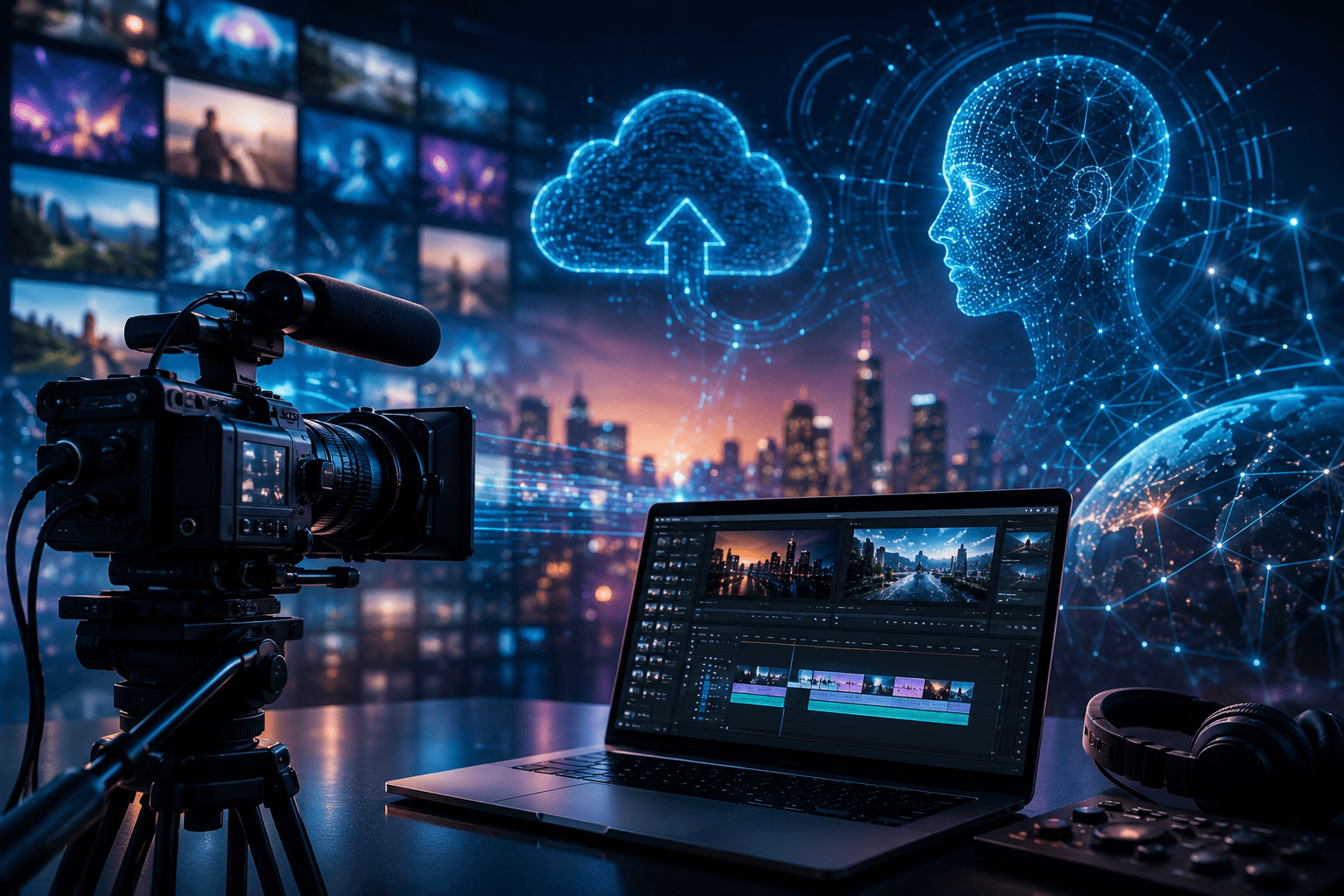
The Evolution of Video Technology: Transforming Communication and Digital Experiences
Video technology has become one of the most powerful tools driving communication, entertainment, education, and business growth in the digital era. From social media content and live streaming to corporate presentations and immersive virtual experiences, video is now at the center of how people connect with information and audiences worldwide.
Over the past few years, the industry has witnessed rapid advancements in video production, streaming quality, artificial intelligence, and interactive media. In 2026, video technology is no longer limited to cameras and editing software — it has evolved into a complete digital ecosystem powered by innovation and smart automation.
AI-Powered Video Production
Artificial Intelligence is revolutionizing the way videos are created and edited. Modern AI tools can automatically generate subtitles, improve audio quality, remove background noise, color-correct footage, and even create realistic visual effects within minutes.
AI-driven editing platforms are helping creators and businesses save time while maintaining professional-quality production standards. Personalized video recommendations, smart content optimization, and automated storytelling are also transforming how audiences consume digital media.
The Rise of Ultra HD and Immersive Experiences
The demand for high-resolution video continues to grow rapidly. Technologies such as 4K, 8K, HDR, and high-frame-rate video are delivering sharper visuals and more cinematic viewing experiences than ever before.
At the same time, Virtual Reality (VR) and Augmented Reality (AR) are redefining audience engagement. Businesses, event organizers, gaming companies, and educational institutions are increasingly using immersive video experiences to create deeper interaction and realistic digital environments.
Live Streaming and Real-Time Connectivity
Live streaming has become a major part of modern communication. From business conferences and product launches to online education and entertainment events, organizations are leveraging real-time video platforms to reach global audiences instantly.
Low-latency streaming technologies and cloud-based broadcasting systems now allow seamless video delivery across multiple devices and platforms. This has created new opportunities for remote collaboration, virtual events, and digital marketing strategies.
Cloud-Based Video Workflows
Cloud technology is transforming video production workflows by enabling teams to collaborate remotely from different locations. Editors, designers, and production teams can now access projects, share files, and edit content in real time without being physically present in a studio.
This flexibility has significantly improved productivity while reducing production costs for businesses and media companies worldwide.
Video Technology in Business and Marketing
Video content has become essential for branding, advertising, and customer engagement. Businesses are increasingly using promotional videos, explainer animations, live product demonstrations, and social media content to connect with customers more effectively.
Studies consistently show that video content generates higher engagement and stronger audience retention compared to traditional text-based communication. As a result, companies investing in professional video technology are gaining a competitive advantage in the digital marketplace.
The Future Ahead
The future of video technology will continue to be shaped by artificial intelligence, immersive media, faster internet connectivity, and smarter production tools. Innovations such as holographic communication, interactive video platforms, and AI-generated virtual presenters may soon become part of everyday digital experiences.
As technology evolves, businesses and creators who adapt to these advancements will be better positioned to lead in communication, entertainment, and digital innovation.
At T2 Arabia, we continue to explore and highlight the latest developments in technology that are shaping the future of media, communication, and digital transformation.